

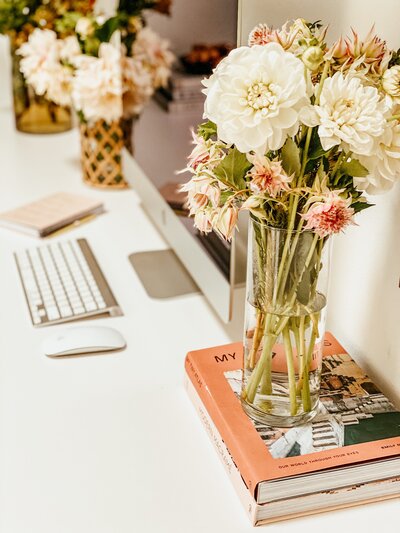
Inside the Spaces That Embody Grounded Living
When I wrote Grounded Living, I wanted to do more than explore the principles of biophilic design. I wanted to spotlight beautiful spaces that bring these ideas to life. So I sought out some of the most compelling examples of biophilic design from talented interior designers around the world.
Each space featured throughout the book offers its own interpretation of what it means to create a home that supports well-being, connection, and a deeper relationship with nature. Through thoughtful use of natural materials, light, texture, greenery, water, and outdoor living, these designers demonstrate how our homes can become places that not only look beautiful, but also help us feel more grounded.
The spaces featured below reflect many of the principles explored throughout Grounded Living. I’m deeply grateful to the designers and photographers whose creativity, vision, and shared appreciation for the restorative power of nature helped bring these ideas to life.
Bringing the Outdoors In
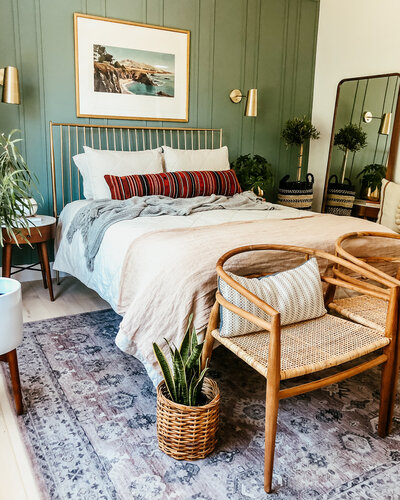
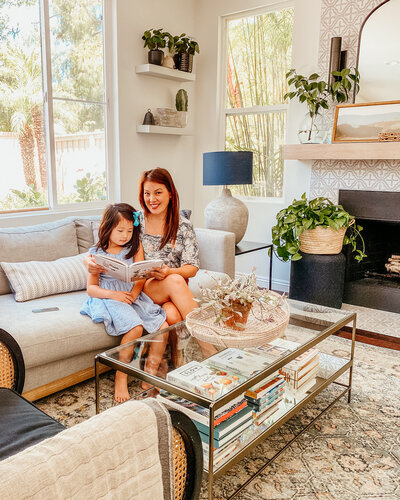
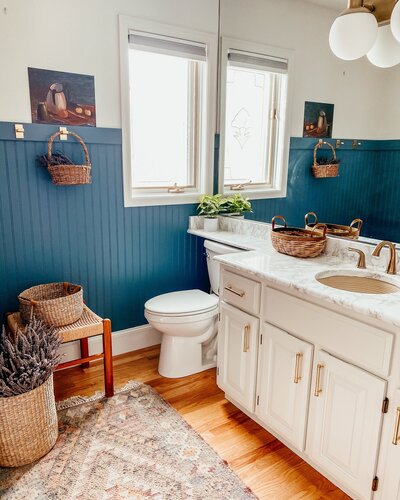
Throughout this chapter, I explore how plants, natural materials and motifs, and organic colors can help bring the benefits of biophilia into our homes. These elements do more than create beautiful interiors, they strengthen our connection to the natural world and influence how we think, feel, and experience our spaces. The following homes beautifully demonstrate different ways designers bring the outdoors in through thoughtful biophilic design.

Photo Credit: Daniel Casson Photography

Designer credit: Byron Risdon Photography Credit: Brie Williams

Construction Design Credit: AP Remodeling Photography Credit: Sara Ligorria-Tramp
Designing with Light
Light is one of the most powerful yet overlooked elements in our homes. Just as sunlight shifts throughout the day in nature—from the soft glow of sunrise to the brighter energy of midday and the warmth of dusk—light influences how we feel, function, and experience our spaces.
In this chapter, I explore how thoughtful lighting choices can help support our daily rhythms, whether through natural light, reflective surfaces, carefully selected paint colors, warmer light bulbs, or larger architectural features such as windows, skylights, and sun tunnels. The spaces below beautifully demonstrate how designers use light to create homes that feel welcoming, restorative, and deeply connected to the rhythms of nature.

Photography Credit: Ali Harper
 Photography Credit: Brie Williams
 Photography Credit: Shine ID Studio
Integrating Water Elements
Water has a unique ability to bring us back to the present moment. Whether it’s the sound of rainfall, a warm shower, a bubbling fountain, or a view of the ocean, water has been shown to calm the nervous system and create a sense of ease. In this chapter, I explore how incorporating water—both literally and symbolically—can help create spaces that feel restorative, peaceful, and emotionally grounding.
The spaces below demonstrate how designers thoughtfully integrate water elements and water-inspired features to bring movement, renewal, and a deeper sense of connection to the home.

Photo and Designer Credit: Architectural Grille, Seamus Payne, Toledo Gellar Interiors
Creating Natural Order
Nature offers a remarkable balance of both structure and freedom, and our homes benefit from that same harmony. In this chapter, I explore how thoughtful organization can support well-being by creating spaces that feel both functional and restorative.
One of my favorite biophilic concepts is Prospect and Refuge—the idea that we thrive when we can clearly see and understand our surroundings while also having places of comfort, protection, and retreat. In the home, this might look like open shelving that provides visual clarity paired with concealed storage that reduces clutter and overwhelm. When we create this balance, our spaces feel more intuitive, peaceful, and supportive of everyday life.
The homes below beautifully demonstrate how thoughtful organization, layered with biophilic principles, can create spaces that feel both orderly and deeply inviting.

Photo Credit: Sloan Co Design, Sara Ligorria-Tramp
 Photo Credit: Dane Austin Design, Brie Williams

 Photo Credit: Eden Wright Design, Misha Bruk
Living Outside
Nature offers something that even the most thoughtfully designed home cannot fully replicate: direct sensory connection to the world around us. Fresh air, sunlight, movement, and time spent outdoors have a profound impact on our physical and emotional well-being, helping reduce stress, restore attention, and reconnect us to the present moment.
In this chapter, I explore the importance of engaging with nature beyond our walls—whether through outdoor living spaces, gardens, walking paths, or simple daily rituals spent outside. The spaces below beautifully demonstrate how designers create opportunities to experience the restorative benefits of nature and foster a deeper connection to the outdoors.

Photo Credit: Dane Tashima

Photo Credit: Emily Bowser, Sara Ligorria-Tramp
 Photo Credit: Riley Starr, Garden Studio Design
Embracing the Evolution of Home
Nature is never static. Gardens grow, seasons shift, leaves fall, and landscapes continually adapt. Yet despite—or perhaps because of—that constant change, nature remains beautiful. Our homes can embrace that same philosophy.
In this chapter, I explore the idea that a well-loved home is not a finished product but an evolving reflection of the people who live within it. As our lives change, our spaces should change with us, adapting to new routines, seasons, and needs. The homes below beautifully demonstrate how thoughtful design can feel both timeless and lived-in, creating spaces that support growth, authenticity, and the natural evolution of everyday life.

Photo Credit: Curated Nest Interiors, Brie Williams

Photo Credit: Curated Nest Interiors, Brie Williams
Acknowledgments, Design and Photography Credits
While the spaces highlighted throughout this article represent just a selection of the projects featured in Grounded Living, I’m deeply grateful to all of the talented designers, architects, stylists, and photographers whose work helped bring the book to life. Their creativity, craftsmanship, and shared appreciation for the restorative power of nature helped illustrate the principles explored throughout these pages.
The following designers, stylists and construction designers contributed work featured in Grounded Living:
Anne McDonald Design | Anita Yokota Design | AP Remodeling | Architectural Grille | Black Band Design | Brandon Architects | Brooke Wagner Design | Byron Risdon Interior Design Studio | Christine Vroom Interiors | Colordrunk Designs | Curated Nest Interiors |
Dane Austin Design | Design Alchemy | Eden Wright Design | Elizabeth Brooke Design Studio | Emily Edith Bowser | Emma Beryl Interiors |
Eric Olsen Design | Erik Staalberg | Garden Studio Design | Hayley English Interiors | Hema Persad of Sagrada Studio | Jordan Dean | Kerry Vasquez Design | Kipling House Interiors | Laura Hodges Studio | M. Elle Design | McCroskey Interiors | Megan Vanderwall Interiors|
Nine Dot Design | Poppy Street Interiors | Rebecca Zajac of Design by Numbers | Rich and Sara Combs | R. Johnston Interiors |
Sarah Zachary Jones | Samantha Mink Architecture | Shine Interior Design Studio | Shop Skout | Sloan Co Design |
Society Social | Steve Martino Landscape Architect | Terremoto Landscape Architecture | Toledo Gellar Interiors | Velinda Hellen Design
Photographers credits:
Ali Harper Photography | Brie Williams | Caitlin Atkinson | Christopher Stark | Dane Tashima | Daniel Casson Photography | District 86 Co.
Jess Isaac Photography | Laurie Joliet | Margaret Austin Photography | Misha Bruk | Rich and Sara Combs | Riley Starr |
Ryan Garvin Photography | Sara Ligorria-Tramp | Seamus Payne | Sean Litchfield
As these spaces beautifully demonstrate, biophilic design is about more than aesthetics—it’s about creating homes that support how we live, feel, and connect. Whether through natural light, water, organic materials, thoughtful organization, or a stronger connection to the outdoors, each of these designers offers a unique interpretation of what it means to create a more grounded life. My hope is that the ideas shared throughout Grounded Living inspire you to see your own home not as a finished product, but as an evolving space that can nurture well-being, restoration, and connection for years to come.
Cheers to a happy home,












+ show Comments
- Hide Comments
add a comment